
Need Help?
Is It Anxiety, a Heart Condition, or Depression? How to Tell the Difference – And What You Can Do About It
Spiro Apostolopoulos
We hope you enjoy reading this blog post.
Whether you want to break a bad habit, overcome mental illness, or simply take your life in a new direction, our experienced hypnotists will help you make these changes from within.
You're sitting at your desk or lying in bed when, out of nowhere, your heart starts racing. Your chest feels tight, almost like someone is sitting on it. You wonder: Am I having a heart attack? Is something seriously wrong?
Or maybe you're in a meeting, standing in line, or just walking into a room and suddenly, it feels like everyone is watching you. Your face gets hot. Your hands start to shake. You want to disappear, escape, or hide, but you don't know why. You just feel overwhelmed.
For some, anxiety hits like a panic attack. For others, it simmers under the surface, a constant state of unease, overthinking, or dread. When these symptoms persist and interfere with daily life, they may indicate anxiety disorders. The scary part? It often feels physical.
Many people describe symptoms that mimic heart problems or other medical conditions, only to be told later: "It's anxiety."
A Real Experience:
"When I first experienced heart palpitations, I genuinely thought I was in danger. It felt physical, not mental. My doctor ruled out heart issues and told me it was anxiety. I was stunned. I didn't think of myself as an anxious person. He explained that if I didn't address it, it could impact my health long-term, potentially even increase my risk of a heart attack. He gave me two options: medication or lifestyle change. That was my turning point."
What Does Anxiety Mean?
Anxiety is your body's natural alarm system. It's designed to protect you from danger by triggering the "fight-or-flight" response. When your brain perceives a threat, whether real or imagined, it releases stress hormones like adrenaline and cortisol.
This response worked brilliantly for our ancestors facing physical threats. Your heart races to pump blood to your muscles. Your breathing quickens to get more oxygen. Your senses sharpen. You're ready to run or fight.
The problem? Modern anxiety often triggers this same response when there's no actual danger. Your brain can't tell the difference between a genuine threat and everyday stress. A work presentation, a social gathering, or even worrying about your health can activate the same alarm system.
When this happens repeatedly or constantly, it becomes an anxiety disorder. Your nervous system stays on high alert even when you're safe. This chronic activation creates both mental and physical symptoms that can feel overwhelming and confusing.
Everyone experiences anxiety from time to time. Anxious feelings are your body's natural response to real or possible threats. Anxiety can even help keep you safe and be motivating. However, anxiety disorders are the most common group of mental health conditions in Australia. An estimated 4.4% of the global population currently experiences an anxiety disorder.
People with anxiety disorders experience fear and worry that is both intense and excessive, going beyond normal stress responses. Left untreated, anxiety disorders can significantly impact quality of life, relationships, and physical health.
Types of Anxiety: It's Not One-Size-Fits-All
Anxiety doesn't always look like panic attacks or constant worry. It can show up in different ways, depending on the person and the situation. Here are some of the most common types:
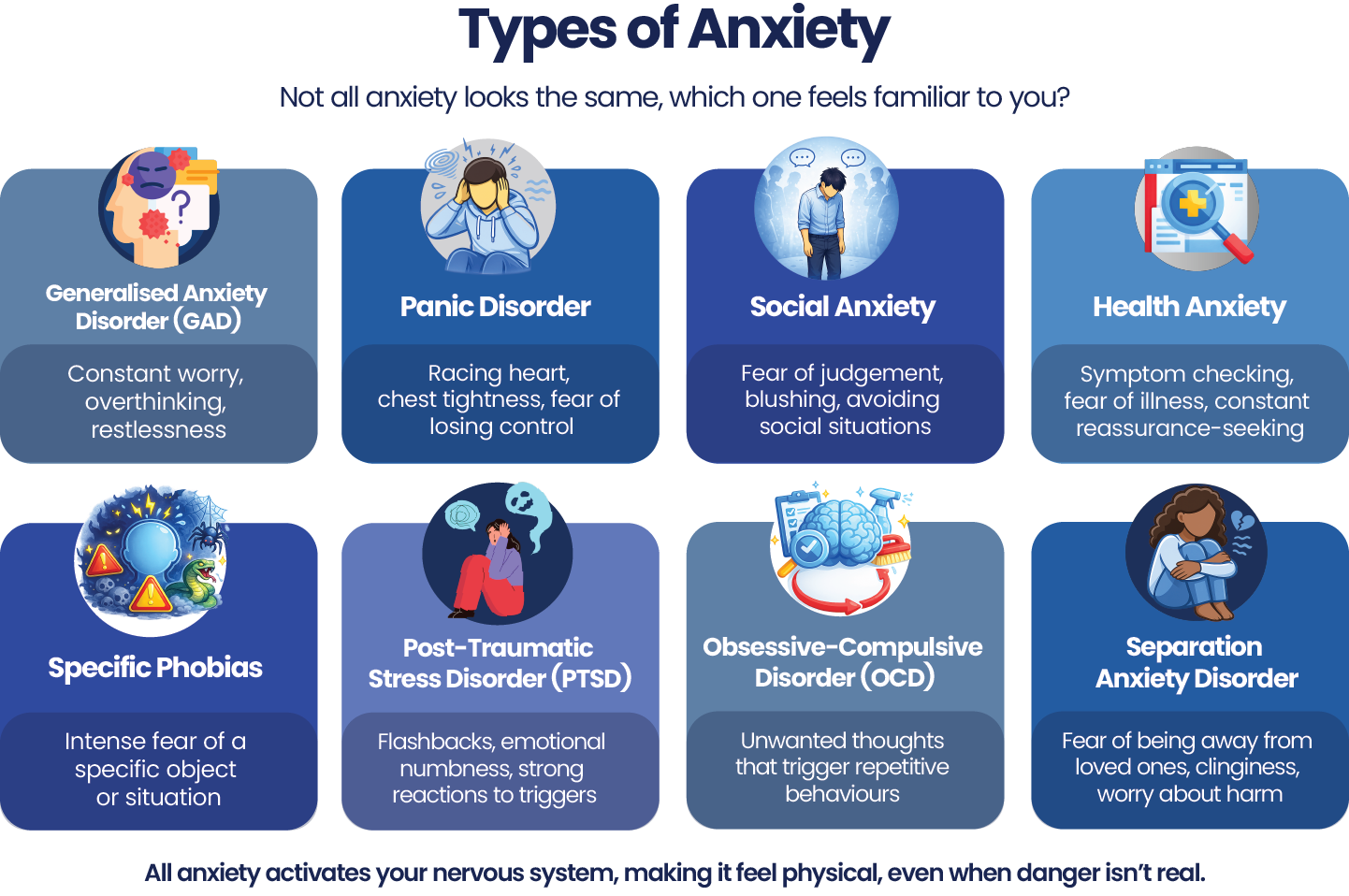
The most common types include generalised anxiety disorder (persistent worry), panic disorder (sudden intense fear), and social anxiety disorder (fear of social situations). While these are distinct anxiety disorders, each shares the common thread of excessive fear or worry that interferes with daily life.
Understanding which type of anxiety disorder you're experiencing helps your doctor recommend the most effective treatment.
Also, always see a doctor to rule out physical causes, such as heart conditions, first. But once those are ruled out, it’s crucial to understand what anxiety actually is and how it differs from depression.
The Overlap Between Anxiety, Heart Issues, and Depression
One of the most confusing aspects of anxiety is how similar it can feel to serious medical conditions. Here's a breakdown of overlapping symptoms:
| Symptom | Anxiety | Heart Condition | Depression |
|---|---|---|---|
| Chest tightness | 🗸 Common | 🗸 Common | ✘ Rare |
| Palpitations / racing heart | 🗸 Common | 🗸 Common | ✘ Rare |
| Feeling of doom | 🗸 Often | 🗸 (in heart attack) | 🗸 Sometimes |
| Low mood | ✘ Not always | ✘ | 🗸 Primary |
| Sleep disturbances | 🗸 Yes | 🗸 Possibly | 🗸 Yes |
| Fatigue | 🗸 Yes | 🗸 Yes | 🗸 Yes |
| Shortness of breath | 🗸 Can occur | 🗸 Common | ✘ Less common |
| Avoidance behaviour | 🗸 Often | ✘ | 🗸 Sometimes |
Important: Always see a doctor to rule out physical causes like heart conditions first. But once those are ruled out, it's crucial to understand what anxiety actually is — and how it differs from depression.
Who Gets Anxiety Disorders?
Anxiety disorders are among the most common mental disorders worldwide. Anxiety symptoms often begin during childhood or adolescence and continue into adulthood. Girls and women are more likely to experience anxiety disorders than boys and men. People who have lived through abuse, severe losses, or other adverse experiences are more likely to develop anxiety disorders.
While there's no single most common cause, these conditions result from a complex interaction of social, psychological, and biological factors, including imbalances in neurotransmitters such as serotonin and dopamine.
Environmental factors such as chronic stress, trauma, or major life changes can also trigger or worsen anxiety disorders.
What Anxiety Really Feels Like & Common Anxiety Symptoms Behind It
Anxiety presents with different symptoms in different people. Understanding the signs and symptoms helps you recognise what you're experiencing and communicate it effectively to your doctor.
The Physical Side
When anxiety strikes, your body goes into survival mode. This creates real, measurable changes:
Fight-or-flight activation – Your sympathetic nervous system kicks in. Adrenaline floods your system. Your body prepares to face danger or run away.
Hyperarousal – You become hyper-aware of your surroundings. Small sounds startle you. You scan for threats constantly. Your muscles stay tense, ready to react.
Physical symptoms – Common physical symptoms of anxiety include:
- Rapid heartbeat or palpitations
- Shortness of breath or difficulty breathing
- Chest tightness or pain
- Muscle tension throughout your body
- Dizziness or light-headedness
- Sweating, especially on palms or forehead
- Trembling or shaking
- Nausea or stomach problems
- Tingling in hands or feet
These physical manifestations occur due to tension and nervous system hyperactivity. Chronic illnesses like asthma or heart conditions can aggravate these anxiety symptoms, which is why it's crucial to work with your GP to rule out physical causes first.
The Mental Side
Intrusive thoughts – Unwanted thoughts that pop into your mind repeatedly. "What if something goes wrong?" "What if I embarrass myself?" "What if this is serious?"
Overthinking – Analysing every detail, every conversation, every possibility. Your mind races from one worry to another.
Rumination – Getting stuck in a loop of negative thinking. Replaying past events or imagining future disasters.
Difficulty concentrating – Your anxious thoughts demand attention, making it hard to focus on tasks or conversations.
The Emotional Side
Fear – Often disproportionate to the actual situation. You might know logically that you're safe, but you still feel terrified.
Dread – A heavy sense that something bad is about to happen, even when you can't identify what.
Irritability – Being on edge makes you more sensitive. Small frustrations feel bigger. You might snap at people you care about.
Feeling overwhelmed – Everything feels like too much. Simple tasks seem impossible.
Can Anxiety Be Mistaken for Depression?
Yes, absolutely. This confusion happens frequently because anxiety and depression share several symptoms:
- Sleep problems (though anxiety often causes difficulty falling asleep, while depression may cause excessive sleeping)
- Fatigue and low energy
- Difficulty concentrating
- Withdrawing from social activities
- Changes in appetite
- Irritability
The key differences lie in the underlying feelings and thought patterns:
Anxiety disorders are characterised by excessive worry, fear, and physical tension. You're afraid something bad will happen. Your mind races with "what if" scenarios.
Depression is characterised by persistent sadness, hopelessness, and loss of interest in things you once enjoyed. You might feel empty, numb, or like nothing matters.
Many people experience both conditions simultaneously, which we'll explore next.
Can One Have Anxiety and Depression at the Same Time?
Yes. In fact, this is quite common. Research shows that nearly half of people diagnosed with depression also meet the criteria for an anxiety disorder.
This combination makes sense when you understand the relationship between the two:
Chronic anxiety can lead to depression. When you're constantly worried and on edge, it's exhausting. Over time, this persistent stress can develop into feelings of hopelessness and despair.
Depression can trigger anxiety. When you're depressed, you might worry about your future, your relationships, or your ability to function. These worries can escalate into anxiety.
They share similar brain chemistry. Both conditions involve imbalances in neurotransmitters like serotonin and norepinephrine.
When you have both conditions, symptoms might include:
- Constant worry combined with persistent sadness
- Panic attacks alongside feelings of worthlessness
- Physical tension paired with loss of motivation
- Racing thoughts about negative outcomes
Having both conditions doesn't mean recovery is impossible. It just means your treatment might need to address both aspects. In fact, anxiety disorders can increase the risk for depression and substance use disorders, which is why early intervention and comprehensive treatment are so important.
What Are the Symptoms of a Depressive Episode?
A depressive episode involves experiencing several symptoms for at least two weeks. These might include:
Emotional symptoms:
- Persistent sadness or empty feeling
- Loss of interest or pleasure in activities you used to enjoy
- Feelings of worthlessness or excessive guilt
- Hopelessness about the future
- Thoughts of death or suicide
If you're experiencing suicidal thoughts, please seek immediate help by calling Lifeline (13 11 14) or going to your nearest emergency department.
Physical symptoms:
- Changes in appetite (eating much more or much less than usual)
- Sleep changes (insomnia or sleeping too much)
- Low energy or fatigue
- Physical aches and pains without clear cause
- Slowed movements or speech
Cognitive symptoms:
- Difficulty concentrating or making decisions
- Memory problems
- Negative thinking patterns
- Self-criticism
Behavioural symptoms:
- Withdrawing from friends and family
- Neglecting responsibilities or self-care
- Loss of productivity at work or school
- Increased use of alcohol or drugs
If you're experiencing these symptoms, it's important to seek help. Depression is a medical condition, not a character flaw or something you can simply "snap out of."
What to Do If You Feel Depressed
If you're experiencing symptoms of depression, here are practical steps you can take:
See your GP
Your GP can be a good place to start the conversation about your mental health. This is your first and most important step. Your doctor can:
- Rule out physical causes (thyroid problems, vitamin deficiencies, other medical conditions)
- Assess the severity of your symptoms
- Discuss treatment options
- Provide referrals to mental health professionals
- Monitor your progress
Consider therapy
Various forms of therapy help with depression:
- Cognitive Behavioural Therapy (CBT) helps identify and change negative thought patterns
- Interpersonal therapy focuses on relationships and communication
- Hypnotherapy for depression works at a subconscious level to address underlying patterns
- Acceptance and Commitment Therapy helps you live according to your values
Explore medication if appropriate
Antidepressants can be helpful, especially for moderate to severe depression. In severe cases, medication may be essential for recovery and can be life-changing. They work by balancing brain chemistry. Your doctor can discuss whether this option suits your situation.
Build a support network
Tell trusted friends or family members what you're experiencing. Social connection is crucial for recovery, even when you feel like isolating yourself.
Maintain basic self-care
- Try to keep regular sleep and wake times
- Eat regular, nutritious meals
- Move your body, even if it's just a short walk
- Limit alcohol, which can worsen depression
- Spend time outdoors when possible
Be patient with yourself
Recovery takes time. Small steps forward are still progress.
How Do You Deal with Anxiety?
Managing anxiety disorders involves both immediate coping strategies and longer-term approaches. While professional treatment is often necessary for anxiety disorders, these techniques can help you manage symptoms in the moment and support your overall recovery.
Immediate Strategies When Anxiety Strikes
These techniques are especially helpful for panic disorder and acute anxiety episodes:
Breathing techniques – Slow, deep breathing activates your parasympathetic nervous system, which calms the fight-or-flight response. Try:
- Breathe in for 4 counts
- Hold for 4 counts
- Breathe out for 6 counts
- Repeat until you feel calmer
Grounding exercises – These help bring you back to the present moment:
- Name 5 things you can see
- Name 4 things you can touch
- Name 3 things you can hear
- Name 2 things you can smell
- Name 1 thing you can taste
Physical movement – Walk, stretch, or do gentle exercise. This helps burn off excess adrenaline and releases endorphins.
Challenge anxious thoughts – Ask yourself:
- Is this thought based on facts or feelings?
- What would I tell a friend having this thought?
- What's the worst that could realistically happen?
- Have I survived this before?
Distraction techniques – Using distraction can help break anxious thought patterns. This might include:
- Engaging in a hobby or enjoyable activity
- Listening to music
- Calling a friend
- Doing a puzzle or game
- Focusing on a specific task
Longer-Term Approaches
Regular exercise – Physical activity is one of the most effective anxiety treatments. It reduces stress hormones, improves sleep, and boosts mood.
Sleep hygiene – Prioritise good sleep habits:
- Aim for 7-9 hours of sleep and maintain good sleep hygiene
- Keep a consistent sleep schedule
- Create a relaxing bedtime routine
- Practice digital hygiene by reducing screen time before bed
- Keep your bedroom cool and dark
- Avoid caffeine in the afternoon and evening
Getting enough sleep is extremely important for managing anxiety, as poor sleep can worsen symptoms significantly.
Limit caffeine and alcohol – Both can increase anxiety symptoms or interfere with sleep.
Mindfulness and meditation – Regular practice helps you observe anxious thoughts without being controlled by them.
Professional support – This might include:
- Cognitive Behavioural Therapy (CBT)
- Exposure therapy for specific phobias
- Hypnotherapy for deeper subconscious work
- Medication if recommended by your doctor
Additional Self-Care Strategies
Social connection
Building strong social support is one of the most powerful tools for managing anxiety. Engaging in social connections can trigger hormones that counteract the fight-or-flight response. Spending time with family and friends can significantly alleviate anxiety symptoms.
Healthy eating
A healthy diet for anxiety management includes reducing sugar and caffeine, and eating whole foods to stabilise blood sugar. Eating well contributes to better mood regulation and energy levels.
Mindful movement
Walking, yoga, or other mindful movement can serve as effective mood medicine. Staying active through regular exercise helps reduce anxiety naturally.
Identify your triggers
Journaling can help you spot patterns and stressors. Understanding what triggers your anxiety is the first step in managing it effectively.
Gradual exposure
If specific situations trigger your anxiety, gradual exposure to these fears (with professional support) can help reduce their power over time. This approach is particularly effective for social anxiety disorder and specific phobias, where avoidance often makes symptoms worse.
Engage in enjoyable activities
Make time for hobbies and activities that bring you joy. This isn't indulgent. It's essential for maintaining mental health.
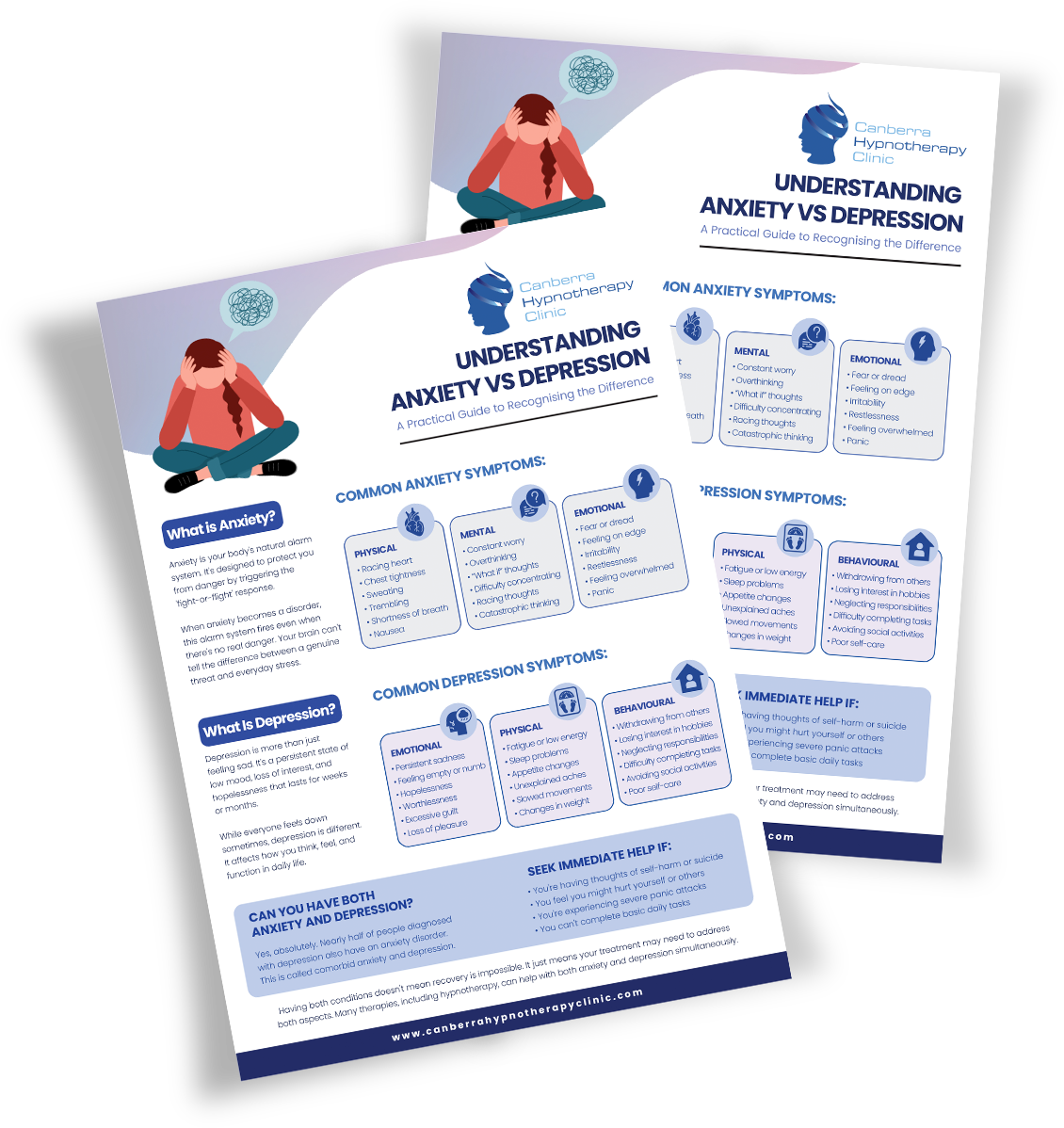
Free Downloadable Guide: Understanding Anxiety vs Depression
If you are unsure whether your symptoms are anxiety-related, physical, or linked to depression, this guide explains the differences and what to do next.
Why Chronic Anxiety Matters for Your Physical Health
Anxiety isn't "just in your head". It is one of those mental health conditions that create real physiological stress on the body. When left unmanaged, chronic anxiety can affect your health in serious ways:
Cardiovascular impact – Constant stress hormones can:
- Cause high blood pressure (hypertension)
- Raise heart rate
- Contribute to inflammation
- Increase risk of heart disease over time
Chronic anxiety itself becomes one of the risk factors for developing cardiovascular problems. When combined with other higher risk factors like smoking, poor diet, or family history, the impact on heart health can be even more significant.
Over time, unmanaged chronic anxiety may contribute to conditions like coronary artery disease. This is why managing anxiety isn't just about mental health. It's also about protecting your physical health too.
Immune system – Chronic stress weakens your immune response, making you more susceptible to illness.
Digestive system – Anxiety commonly causes:
- Irritable bowel syndrome (IBS)
- Stomach pain
- Nausea
- Changes in appetite
Sleep disruption – Poor sleep affects everything from mood to immune function to decision-making.
Muscle tension – Constant tension can lead to chronic pain, headaches, and jaw problems.
This is why your GP takes anxiety seriously. It's not about dismissing your symptoms. It's about recognising that psychological stress has real physical consequences.
Understanding Heart Conditions vs Anxiety
Because anxiety can mimic heart problems so closely, it's crucial to understand the difference. While anxiety itself is a serious condition requiring treatment, heart conditions involve actual physical damage to your cardiovascular system. Here's how heart conditions affect your heart and blood vessels:
Coronary Artery Disease
Coronary artery disease occurs when the major blood vessels that supply oxygen rich blood to your heart become damaged or diseased. This restricts blood flow to the heart muscle.
Cardiovascular Disease
Cardiovascular disease is an umbrella term for conditions affecting your heart and blood vessels, including blood vessel disease that can reduce circulation throughout your body. These conditions can involve problems with the heart's electrical system, structural issues like a congenital heart defect, or progressive conditions like heart failure where the heart can't pump blood effectively.
Heart Attacks
Heart attacks happen when a blood clot blocks blood flow to part of the heart, while sudden cardiac arrest is a medical emergency where the heart suddenly stops beating effectively.
The key difference? Heart issues involve actual physical problems with your heart or blood vessels. Anxiety activates your stress response, but your heart itself is healthy. Both can cause chest pain and rapid heartbeat, which is why medical evaluation is essential to rule out cardiac issues before concluding symptoms are anxiety-related.
Anxiety disorders can interfere with daily activities and impair your family, social, and work life. Ongoing or overwhelming anxiety can affect your ability to function in everyday life. If anxiety symptoms are affecting your everyday life, it's important to seek help from a healthcare professional. Professional help may be required for persistent anxiety issues, and proven anxiety treatments including medication and therapy are available.
What Your GP Might Suggest
When you see your doctor about anxiety, they might recommend:
Lifestyle changes:
- Regular exercise (30 minutes most days)
- Better sleep habits
- Reduced caffeine and alcohol
- Stress management techniques
- Mindfulness or meditation
Psychological support:
Psychological interventions are essential treatments for anxiety disorders and refer primarily to talk therapy with mental health professionals or supervised lay therapists. Options include:
- Referral to a psychologist or counsellor
- Cognitive Behavioural Therapy (CBT), which is designed to change problematic thinking patterns
- Group therapy
- Online tools, which may be suitable if you have mild to moderate anxiety
Medication:
Medication can be an effective treatment option alongside therapy and lifestyle changes:
- Anti-anxiety medications (for short-term relief)
- Antidepressant medications, such as selective serotonin reuptake inhibitors (SSRIs), which can be useful in treating adults with anxiety disorders
- Beta-blockers (for physical symptoms like racing heart)
Self-care can play an important role in supporting treatment. Effective anxiety management involves a mix of short-term calming techniques and long-term lifestyle changes, along with cognitive strategies.
Alternative approaches:
- Hypnotherapy
- Acupuncture
- Yoga or tai chi
- Nutrition counselling
How Hypnotherapy Helps with Anxiety (Not Just Depression)
Hypnotherapy offers a unique approach to anxiety that works differently from traditional talk therapy or medication.
What Makes Hypnotherapy Different
It works at the subconscious level. Anxiety often stems from deeply ingrained patterns, beliefs, or past experiences stored in your subconscious mind. Hypnotherapy accesses this level directly, rather than only working with conscious thoughts.
It calms the nervous system. During hypnotherapy, you enter a deeply relaxed state. This activates your parasympathetic nervous system — your body's natural calming mechanism. Over time, this helps retrain your stress response.
It reframes unhelpful patterns. Through guided suggestions and imagery, hypnotherapy helps you develop new, healthier responses to anxiety triggers.
It reduces the fight-or-flight response. By working with your subconscious, hypnotherapy can help decrease the automatic panic response your body has learnt.
What Hypnotherapy Can Help With
- Reducing panic attacks
- Managing generalised anxiety
- Addressing specific phobias
- Improving sleep quality
- Building confidence
- Breaking the cycle of overthinking
- Processing past experiences that contribute to anxiety
The Evidence
Research supports hypnotherapy's effectiveness for anxiety. Studies show it can:
- Reduce anxiety symptoms significantly
- Improve sleep quality
- Decrease physical symptoms like heart palpitations
- Provide long-lasting results when combined with other approaches
How It Works in Practice
Session structure – A typical hypnotherapy for anxiety session involves:
- Discussion of your goals and concerns
- Relaxation techniques
- Guided hypnosis focused on your specific needs
- Post-hypnosis discussion and tools for home practice
Number of sessions – Most people see benefits within 4-8 sessions, though this varies based on individual needs.
Safety – Hypnotherapy is safe when conducted by a qualified practitioner. You remain in control throughout. You can't be made to do anything against your will.
Combination approach – Hypnotherapy works well alongside:
- Cognitive Behavioural Therapy (CBT)
- Medication (if prescribed)
- Lifestyle changes
- Other forms of therapy
Who Can Benefit
Hypnotherapy can be particularly helpful if you:
- Want to explore deeper, lasting change
- Haven't found relief from talk therapy alone
- Prefer drug-free approaches
- Want tools to manage anxiety independently
- Feel ready to address underlying patterns
A Case Study: From Heart Fears to Healing
Note: Details changed to protect privacy
Sarah, 34, visited her GP three times in two months with chest pain and heart palpitations. Each time, tests showed nothing wrong with her heart.
"I felt dismissed," Sarah explains. "The doctors kept saying it was anxiety, but I didn't feel anxious, I felt physically ill."
Her GP explained that anxiety often manifests physically first. The mental symptoms, worry, and overthinking can come later or might not be obvious.
Sarah tried hypnotherapy after medication gave her unwanted side effects. "I was sceptical," she admits. "But I was also desperate."
After six sessions, her perspective shifted. "I finally understood that my body had been in fight-or-flight mode for months. The hypnotherapy helped me recognise my triggers and gave me tools to calm my nervous system. The physical symptoms reduced dramatically."
Sarah still uses the breathing and visualisation techniques she learnt. "I haven't had a panic attack in eight months. When I feel anxiety building, I know what to do now."
Taking the Next Step
If you're experiencing symptoms that worry you:
1. See your doctor first
Rule out physical causes. Get a proper diagnosis. Your symptoms are real and deserve attention. Your GP will likely conduct a physical exam and ask about your family history to rule out conditions like heart disease. In some cases, your doctor may recommend a stress test or other cardiac evaluations. If serious heart conditions are found, they can be treated immediately, but if tests come back clear, you can move forward with confidence that your symptoms are anxiety-related.
2. Be honest about all your symptoms
Don't minimise them or feel embarrassed. Tell your doctor about both physical and emotional experiences, including any family history of anxiety, depression, or heart conditions.
3. Ask about all your options
Discuss medication, therapy, lifestyle changes, and complementary approaches like hypnotherapy.
4. Give treatment time
Whether medication, therapy, or lifestyle changes, most approaches need time to work. Don't give up after a week.
5. Build your support team
This might include your GP, a therapist, a hypnotherapist, trusted friends, and family members.
6. Track your progress
Keep notes about your symptoms, triggers, and what helps. This information is valuable for your healthcare providers.
You're Not Alone
Millions of Australians experience anxiety. It's one of the most common mental health conditions, affecting people of all ages and backgrounds.
Recognising the common signs of anxiety, like persistent worry, physical tension, and avoidance behaviours, is the first step towards getting help.
The good news? Anxiety is highly treatable, and more support options are available now than ever before.
Your symptoms are real. Your experiences are valid. And help is available.
Take Control of Your Anxiety
If you're ready to explore how hypnotherapy can help you manage anxiety, we offer a free initial consultation to discuss your specific situation and whether hypnotherapy is right for you.
We help clients in Canberra, Sydney, and beyond take their next steps towards calmer, more confident living.
Book your free consultation today to get started.
Remember: This blog is for educational purposes only and doesn't replace professional medical advice. Always consult with your GP about health concerns before making any decisions.
Your journey to inner peace begins here!
Contact us now to schedule your consultation and take the first step towards a calmer, more empowered you.